Sound Therapy
Restore your balance through the power of sound and vibration
What Is a Sound Bath?
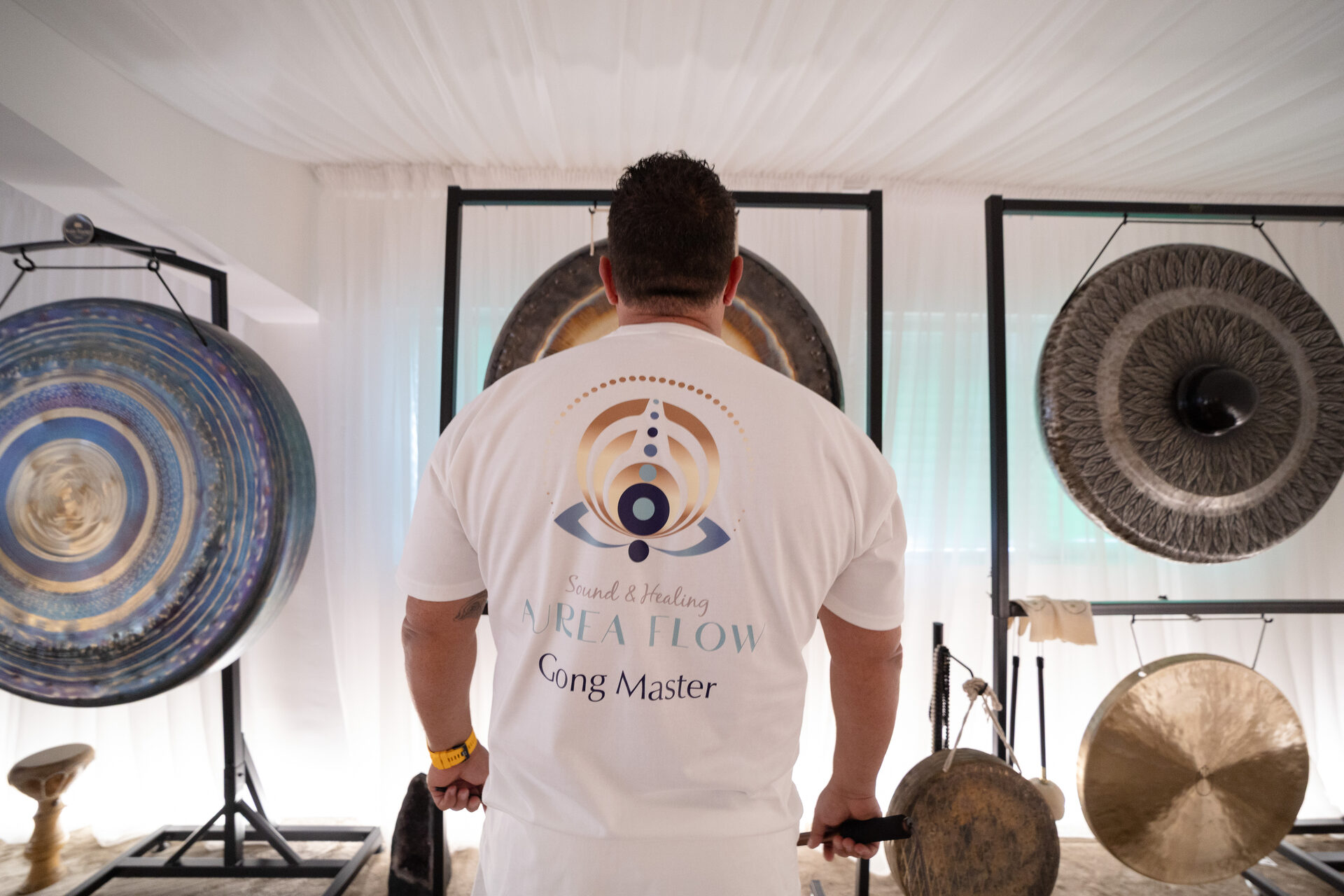
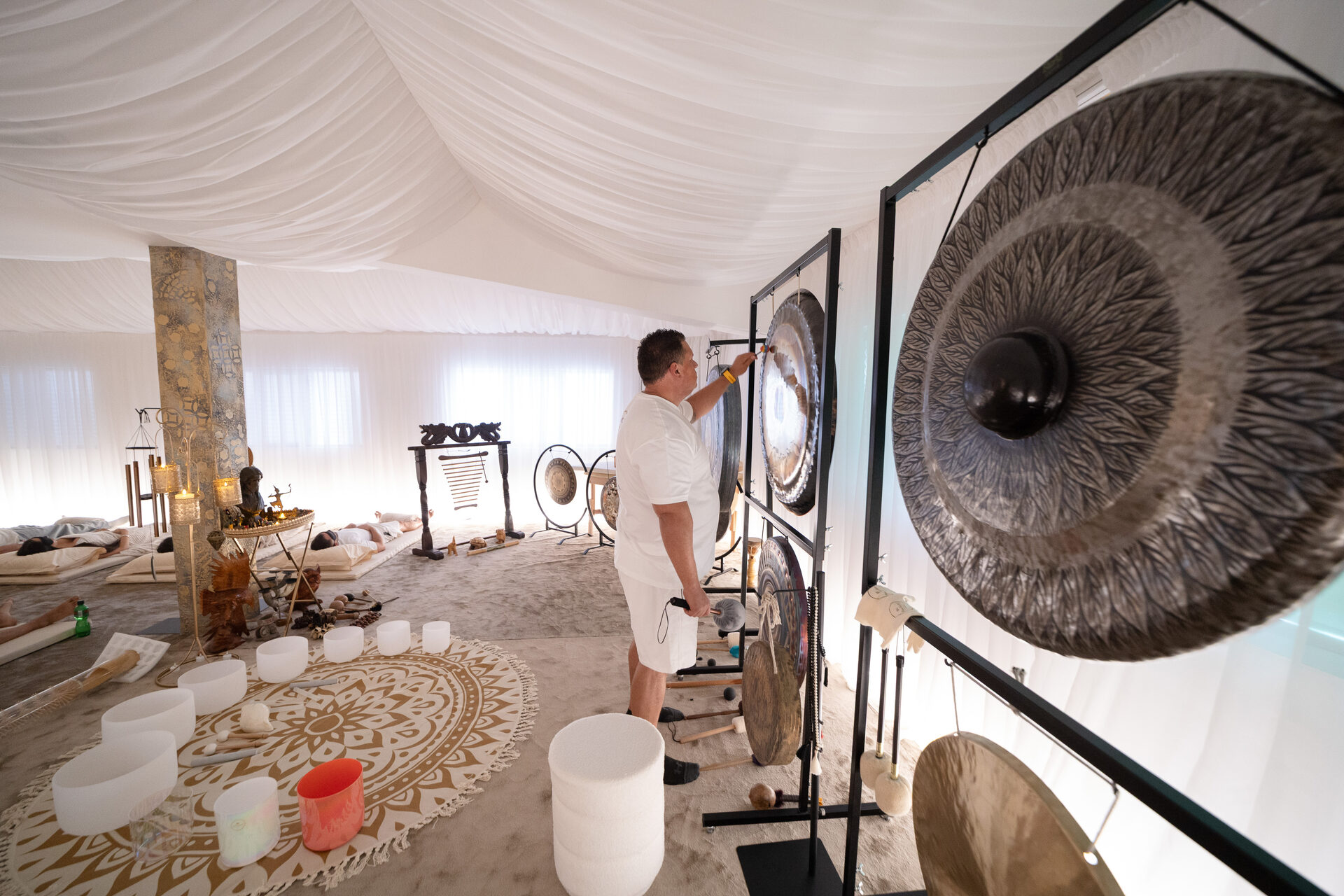
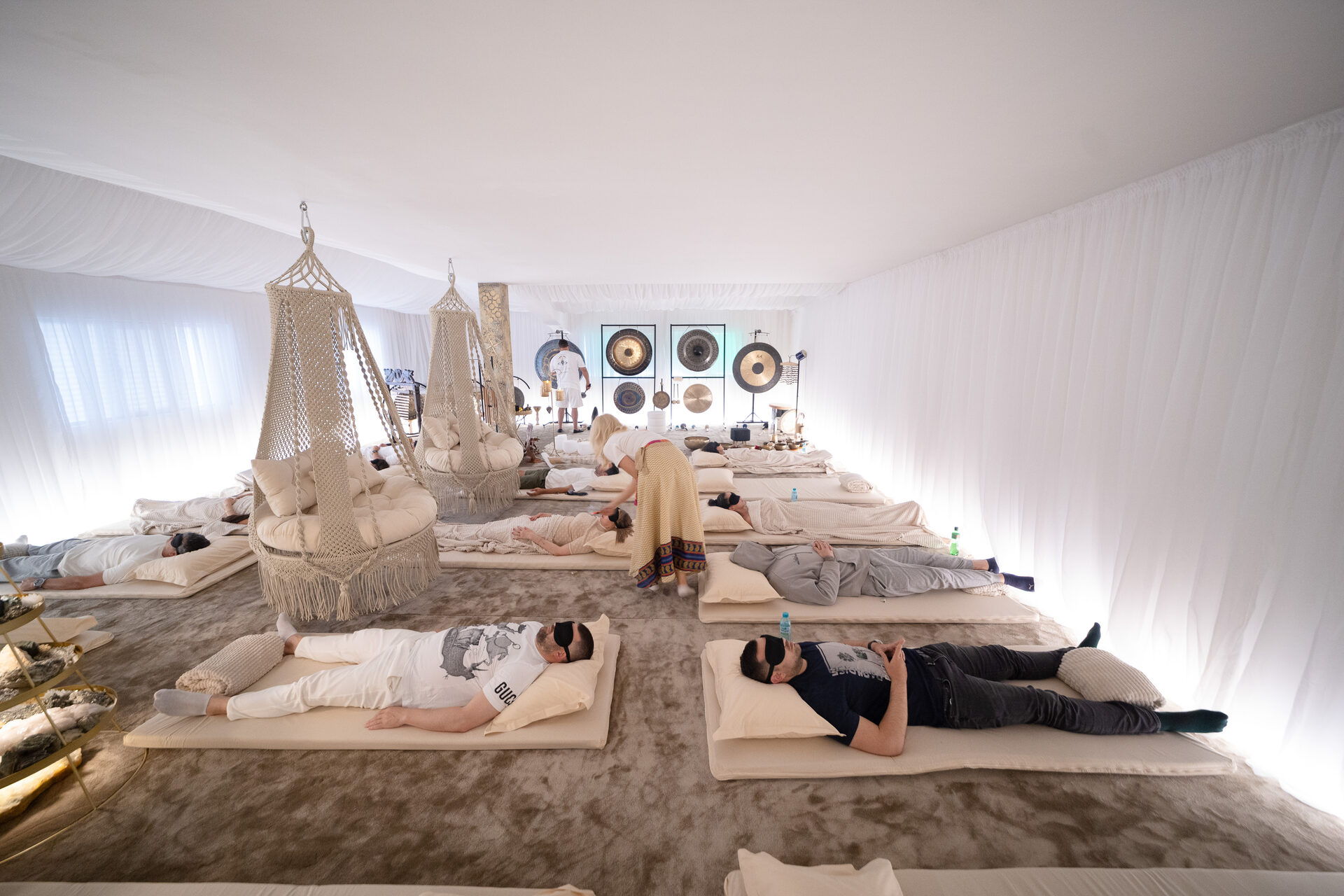
A sound bath is an immersive experience in which you “bathe” in resonant tones — often produced by instruments such as singing bowls, gongs, tuning forks, or chimes. Unlike music with lyrics or rhythm, these tones are typically long, sustained, and rich in vibration. Rather than telling a story to the mind, they create a sensory landscape in which the body can rest and reorganise its habitual patterns.
Resonance and Frequency Alignment
Every organ and system in the body vibrates at its own frequency. When exposed to external sounds — like the deep hum of a gong or the shimmering tones of a crystal bowl — your body “absorbs” these frequencies and begins to mirror them. Resonance is the principle: just as one tuning fork can cause another to vibrate, sound can help the body return to harmony.
For example, research shows that frequencies between 40–150 Hz stimulate the vagus nerve, a key regulator of stress, digestion, and emotional balance. By toning this nerve, sound can reduce anxiety and even boost immune function.
Sound doesn’t just enter your ears… It recalibrates your nervous system.
Brainwave Entrainment
Your brain operates through rhythmic electrical patterns known as brainwaves. Research shows that sound frequencies can entrain the brain, synchronising its rhythms with an external sound.
| Wave | Frequency | State |
|---|---|---|
| Delta | 0.5–4 Hz | Deep sleep; physical recovery |
| Theta | 4–8 Hz | Meditative states; creativity |
| Alpha | 8–12 Hz | Relaxed alertness; reduced stress |
| Beta | 12–30 Hz | Active thinking; overactive in anxiety |
| Gamma | 30+ Hz | Integration, insight, expanded awareness |
The Biophysics of Sound at the Cellular Level
Our bodies are about 60% water, making them excellent conductors of vibration. Through a phenomenon called cymatics, sound waves create ordered patterns in water. Inside us, this can:
- Tune cells back into harmony, supporting rejuvenation and reducing cellular stress
- Stimulate biological repair processes, improve circulation, and enhance energy flow
- Alter water molecule structures, improving hydration and waste removal
Effects on the Nervous System and Hormones
Sound healing doesn’t just relax the mind — it directly engages the body’s regulatory systems:
- Activates the parasympathetic nervous system — promotes rest and recovery
- Reduces cortisol — the primary stress hormone
- Increases serotonin, dopamine, and endorphin levels — enhances well-being and connection
Impact on Physical Health
Sound baths don’t just “feel good.” Studies show measurable improvements:
- Heart rate variability: Increases, signalling parasympathetic dominance
- Cortisol: Levels drop, relieving stress
- Blood pressure: Reductions recorded in multiple studies
- Pain management: People with fibromyalgia, arthritis, and post-operative pain report reduced pain
What Does a Session Feel Like?
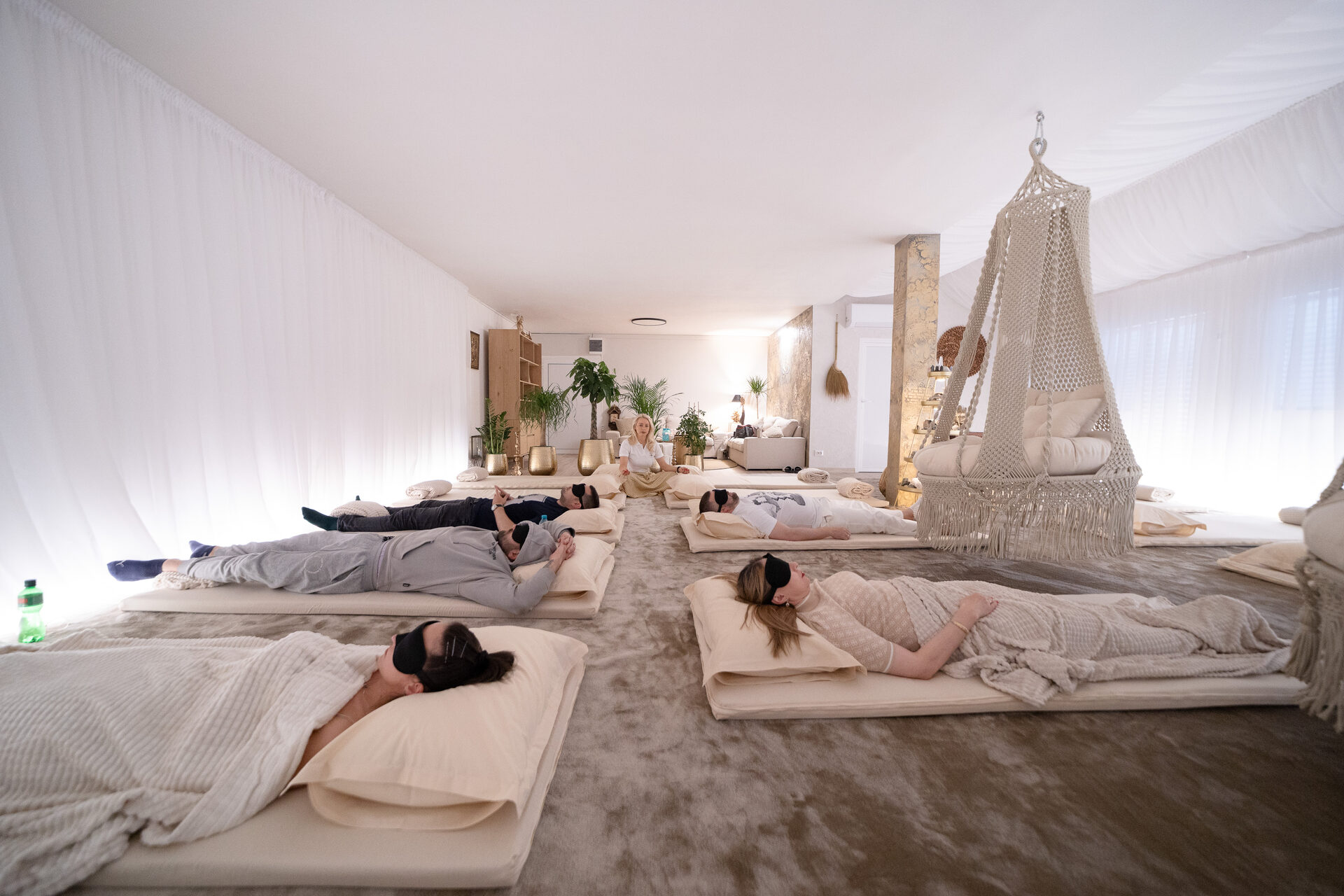
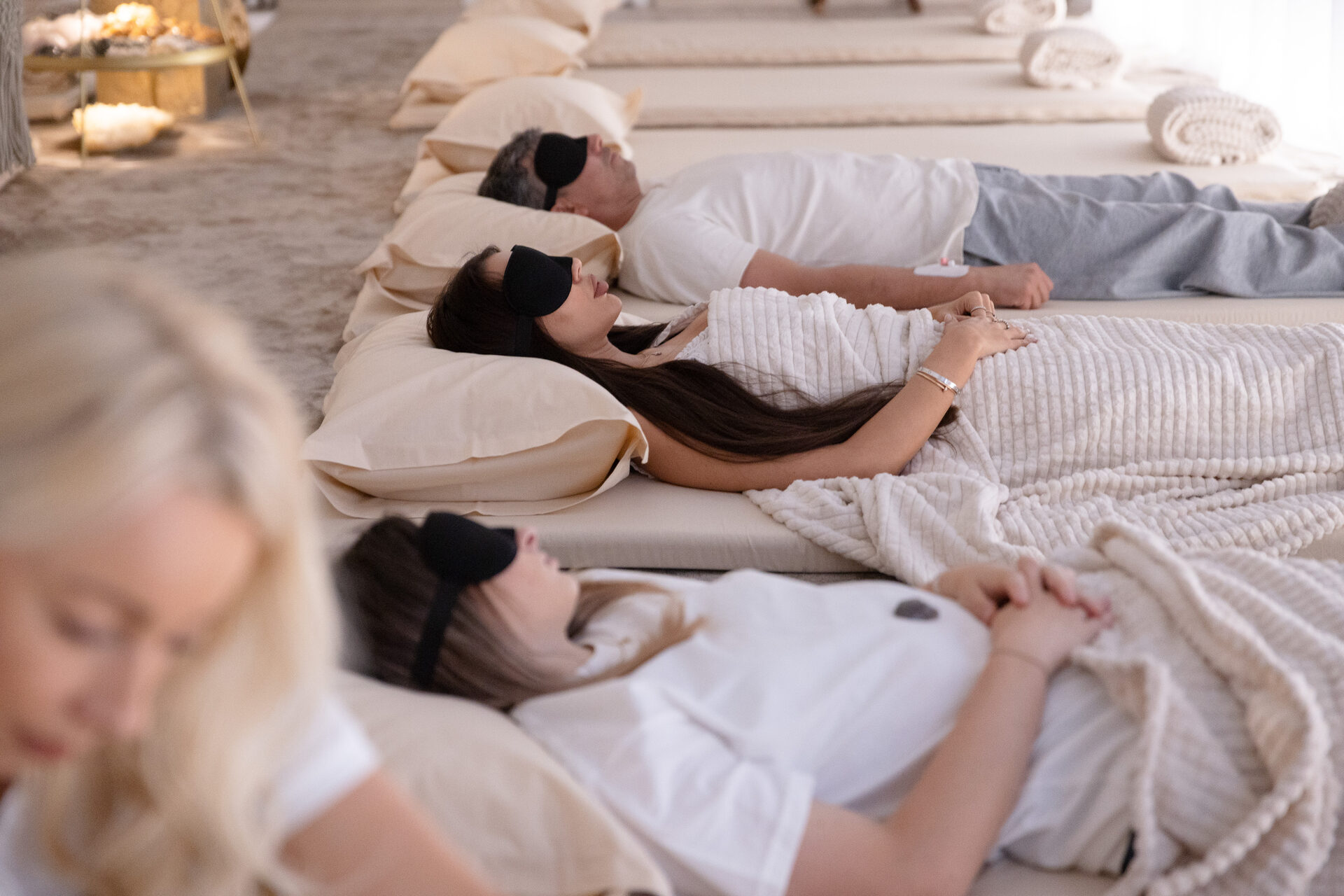
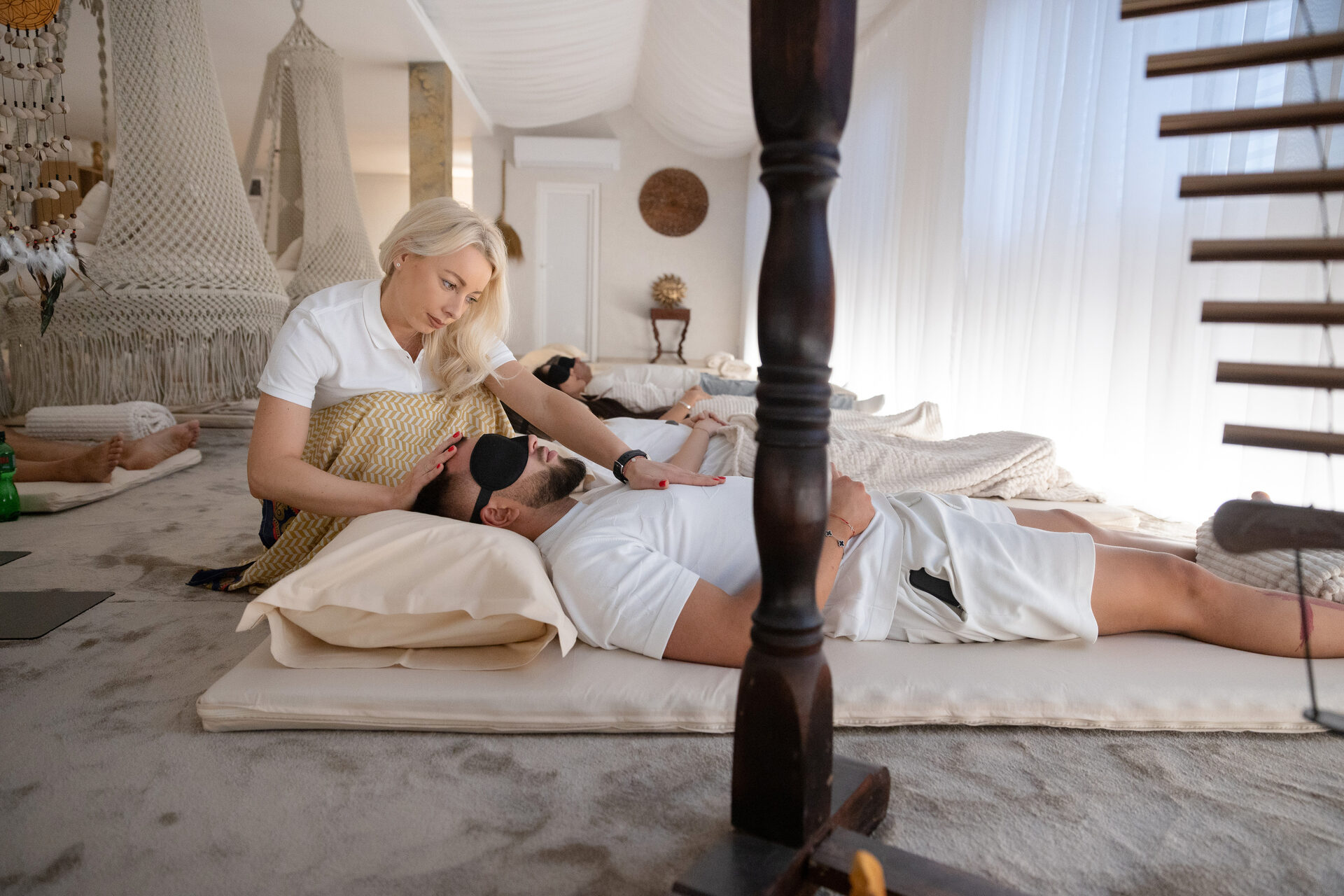
Imagine lying in a dim, cosy room. Your eyes are closed. Around you, tones rise and fall — some grounding, others shimmering. The sounds don’t demand attention; they simply wash over you. You might notice your body settling. Breathing deepens. For some, emotions surface and release. For others, it feels like floating or dreaming.
Who Benefits Most?
Sound therapy can benefit anyone, but it is especially supportive for those who:
- Feel overwhelmed or stuck in thought loops
- Struggle with anxiety, PTSD, or chronic stress
- Find traditional mindfulness difficult
- Feel disconnected from their bodies
- Crave rest but find it hard to achieve
Sound Therapy Instruments